How Much Exercise Does My Dog Really Need?
Two walks a day is a habit, not a prescription. The right amount depends on breed, age and what you do on those walks, and more is not always better.
Start from the breed, then adjust for the dog
A border collie bred to run hills all day and a French bulldog with a compressed airway have almost nothing in common exercise-wise, yet both get walked twice round the block by owners following the same rule of thumb. As a starting point, working and herding breeds want ninety minutes or more of activity a day, most sporting and terrier breeds sixty, toy breeds and brachycephalic breeds thirty to forty-five, split into shorter sessions.
Then look at the actual dog. A ten-year-old collie with stiff hips is not a working dog any more. A young lab from show lines may be far calmer than one from field lines. Watch what the dog does after a walk: a dog that comes home and sleeps for three hours had enough; one that paces, chews and stares at the door did not.
Walks are not the only exercise
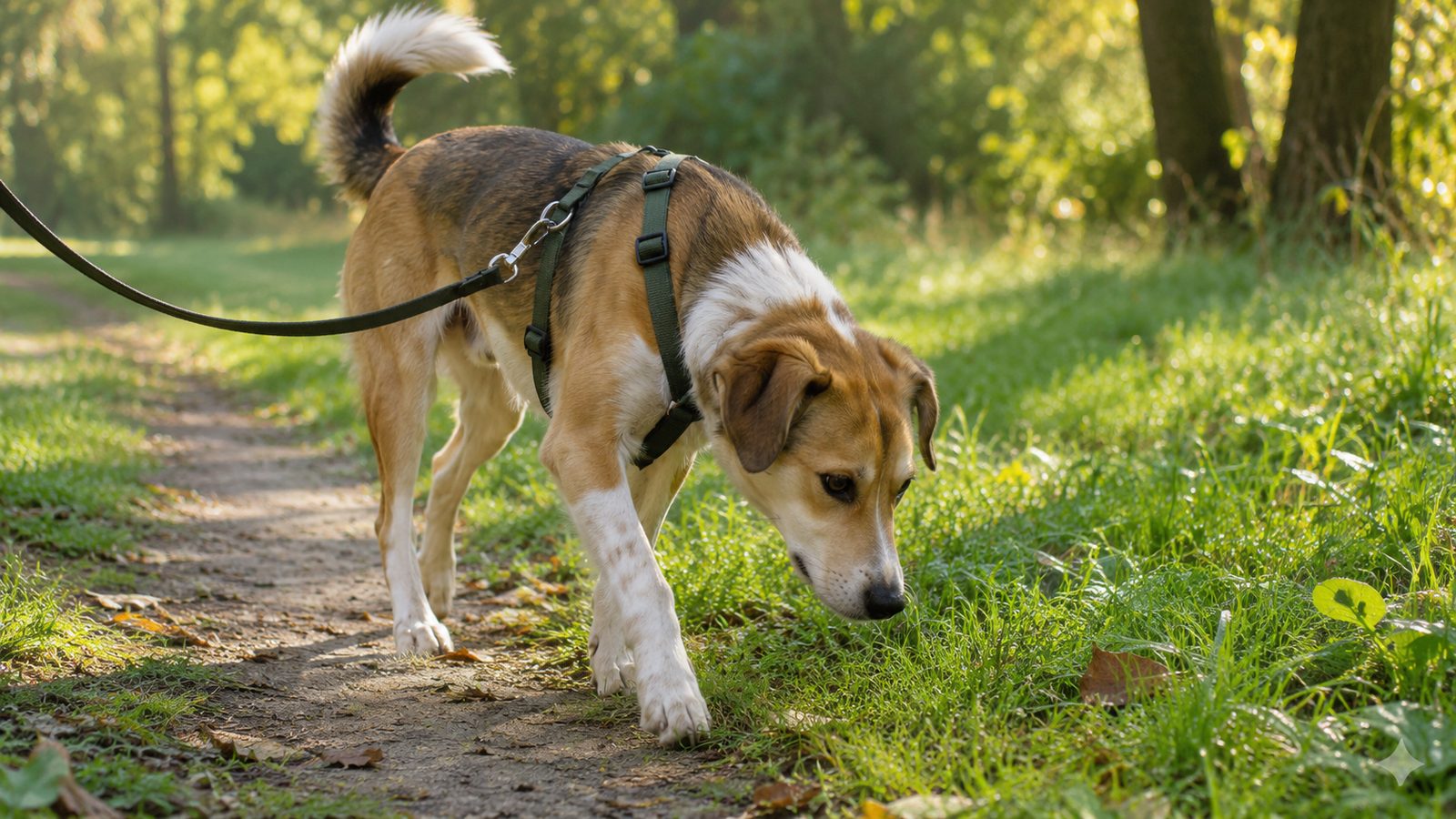
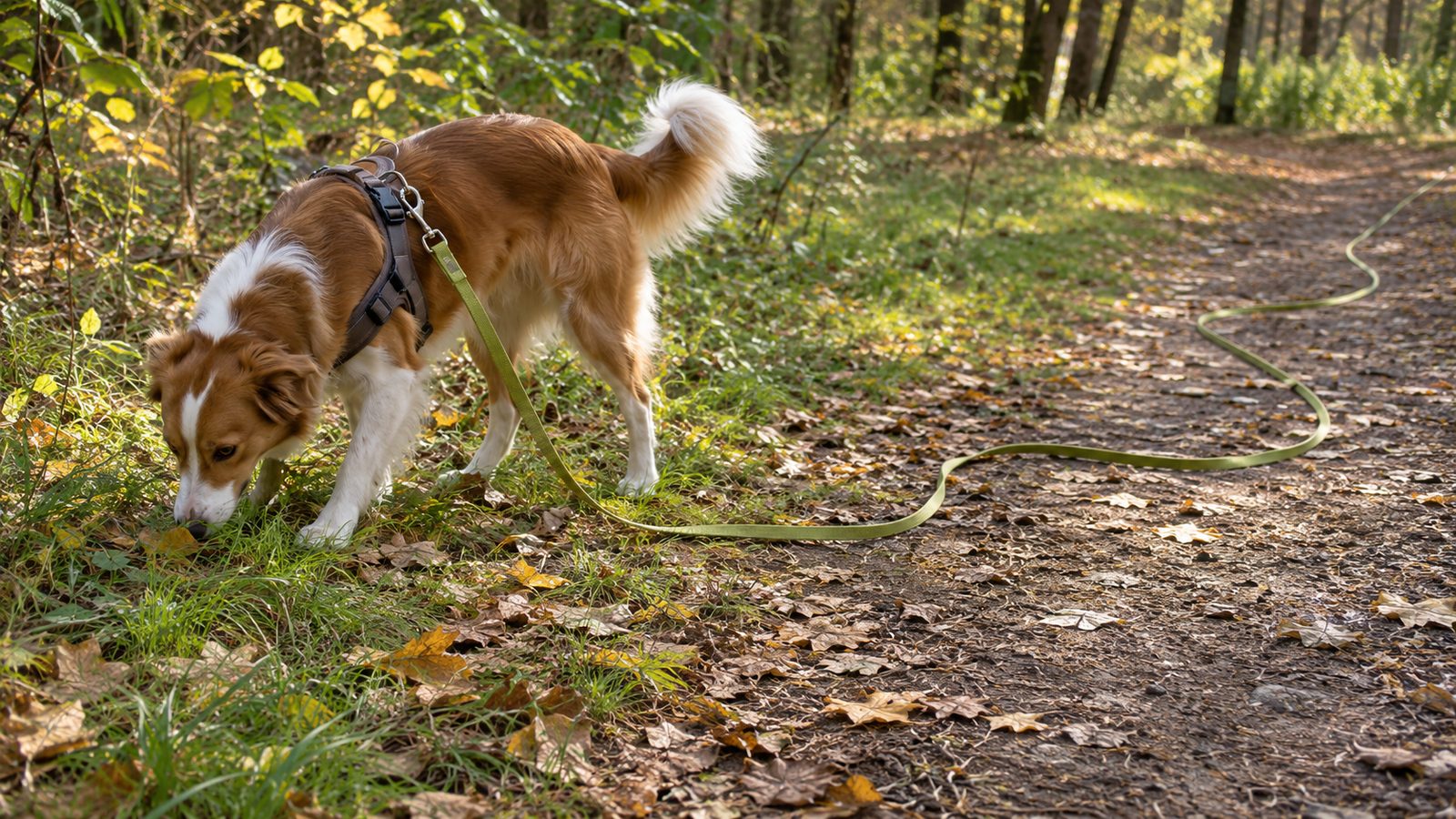
Dogs get far more out of twenty minutes of sniffing than forty minutes of marching on a short lead. A sniff walk on a long line, where the dog chooses the pace and the route, is mentally tiring in a way that a brisk heel is not. Scent work, food puzzles and basic training sessions all count toward the daily total and are gold on days when the weather keeps you in.
Off-lead running in a secure field, swimming for dogs that enjoy it, and fetch in moderation are the high-intensity options. Fetch deserves a caution: repeated sprinting and sudden stops are hard on joints, and ball-obsessed dogs will keep going long past the point of exhaustion. Ten throws, not a hundred.
Puppies and seniors
Puppies have growth plates that do not close until twelve to eighteen months, and repetitive impact before then is linked to joint problems later. The common guideline of five minutes of structured walking per month of age, twice a day, is conservative but sensible. Free play on grass, where the puppy sets the pace and stops when it wants, is fine in any amount.
Senior dogs still need daily movement; it keeps joints mobile and weight down. Shorten the walks, add more of them, and let the dog set the pace. A dog that was fine yesterday and limps today has probably overdone it; rest for two days and go gently.
Signs of too much
Limping, stiffness after rest, a reluctance to jump into the car, excessive panting that takes more than a few minutes to settle, and paw pads that are worn or sore. In hot weather add drooling, a bright red tongue and wobbling, which are heat stroke and an emergency.
The behaviour problems that look like a need for more exercise
Owners of destructive, barky or hyperactive dogs are often told the dog needs more exercise, and they add another hour of running. Sometimes it works. Often the dog becomes a fitter, more hyperactive dog, because the real problem was boredom, anxiety or a lack of a settle routine. If doubling the exercise did not help, the answer is probably more mental work and more practice at doing nothing, not a third walk.
A simple weekly plan
For an average adult dog of a moderate breed: one sniff walk of thirty minutes each morning, a shorter toilet walk at lunch, and in the evening either a second walk, a training session with the dinner ration, or an off-lead run, alternating through the week. One rest day with only toilet walks and a chew. Adjust up for working breeds and down for seniors and flat-faced dogs, and reassess every few months as the dog changes.
FAQ
Is it bad to skip a walk?
An occasional skipped walk, replaced with indoor games and a chew, does no harm. A pattern of skipped walks does.
Can my dog exercise after eating?
Wait at least an hour after a meal before vigorous exercise, longer for deep-chested breeds at risk of bloat. A gentle sniff walk straight after is fine.
How hot is too hot for a walk?
Above about 24 degrees, walk early or late and keep it short. Press the back of your hand on the pavement for seven seconds; if you cannot hold it there, it will burn the pads.